You know that feeling when you solve a complex problem and everything just works? That’s exactly how I felt completing my latest knitting marathon. As someone who spends her days wrangling cloud infrastructure, I’ve discovered that knitting scratches the same problem-solving itch in surprisingly similar ways.
Over the past few years, I’ve been treating knitting patterns like code repositories - each project a new challenge to debug, optimize, and deploy. And just like my home lab projects, some turn out better than others. Let me walk you through my recent “releases” and what I learned along the way.
The 2022 Halloween Sweater: My First Colorwork Deploy
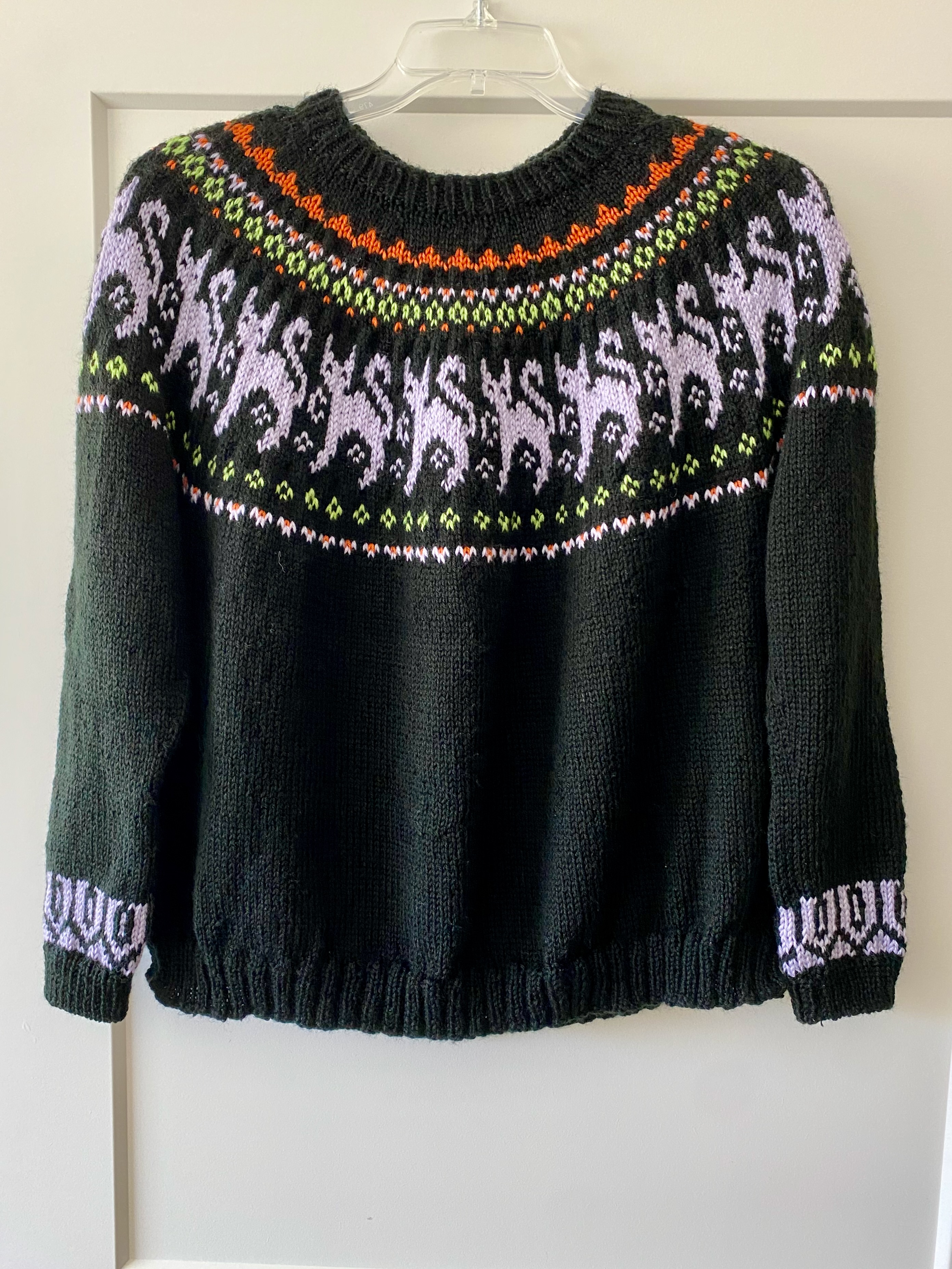
This was my introduction to colorwork knitting - essentially multi-threading with yarn. The pattern called for intricate fair isle work around the yoke, which reminded me of managing multiple data streams in a pipeline. Each color had to be carried along at the right tension (think load balancing), and dropping stitches was like having a service go down mid-deployment.
The 2023 Halloween Upgrade: Pumpkin Patch Release
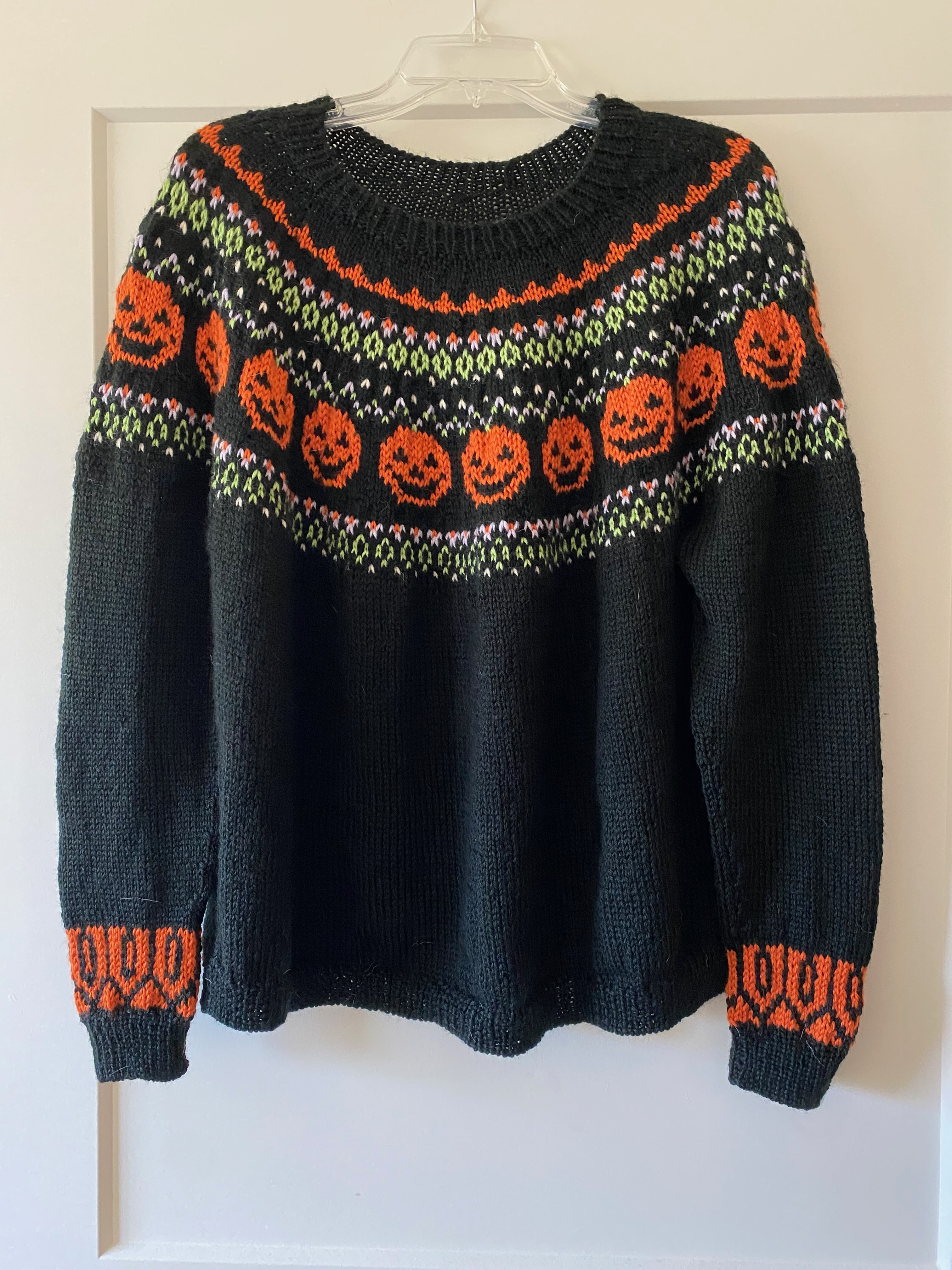
By 2023, I was feeling more confident with colorwork, so I tackled this pumpkin design. The algorithm here was more complex - multiple colors that had to play nice together, plus those cheerful orange jack-o’-lantern faces that required precise stitch counting.
What I love about this sweater is how the pattern scales. The geometric bands remind me of well-structured CSS - repetitive patterns that create visual harmony. The pumpkins themselves were like implementing a series of functions - once I figured out the basic pumpkin “method,” I could replicate it across the entire row.
Personal Infrastructure: The Cardigan I Actually Wear
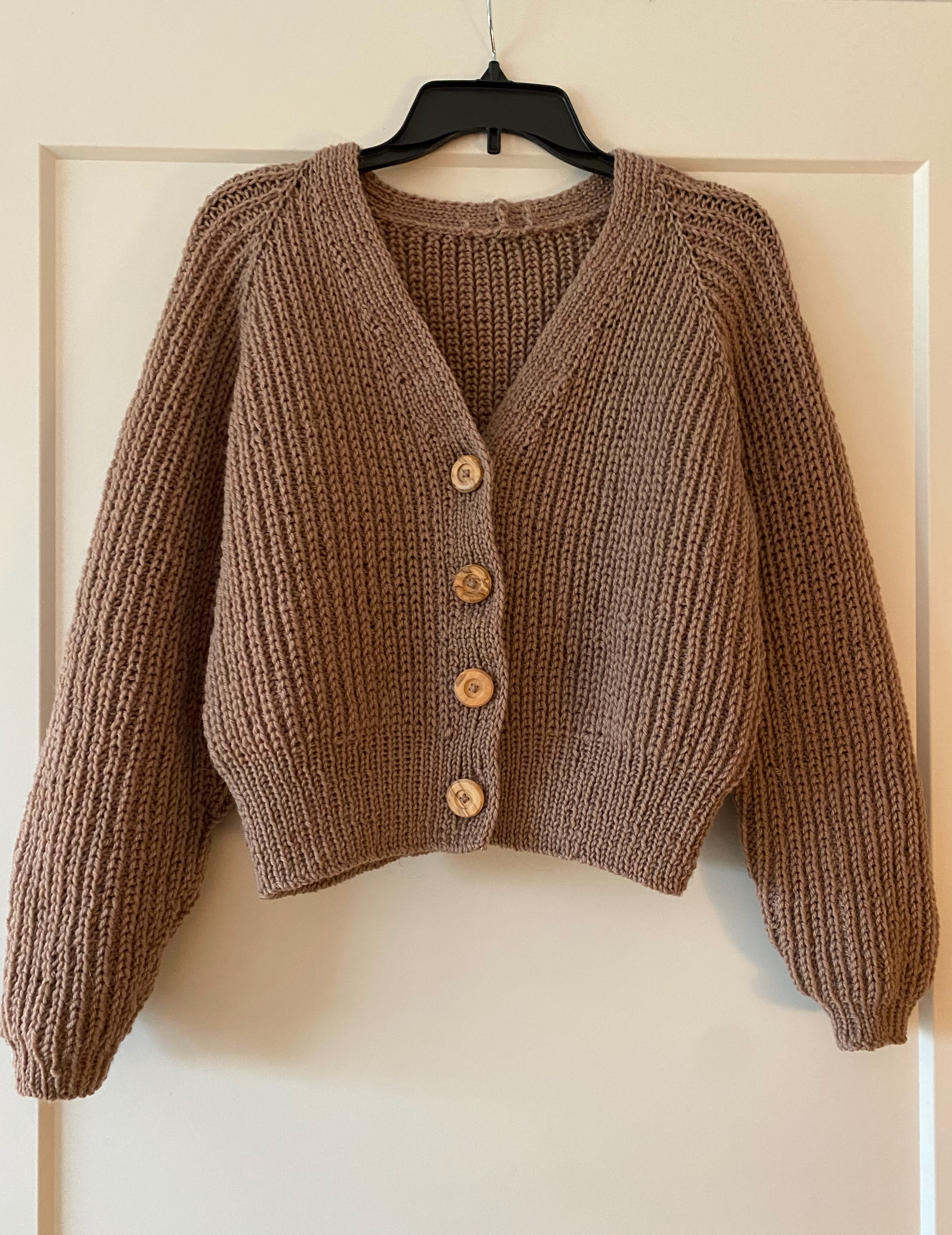
Sometimes you need to build something for your own stack. This chunky cardigan became my go-to for chilly Louisville mornings. The ribbed texture was surprisingly meditative to knit - like running a long-term background process that doesn’t need constant monitoring.
I chose this particular shade of brown because it hides dog hair (Ruby sheds like it’s her job) and coffee stains from late-night debugging sessions. The button selection was critical - they needed to be functional for quick on-and-off. Form follows function, just like good system design.
Advanced Pattern Matching: The Fish Hat
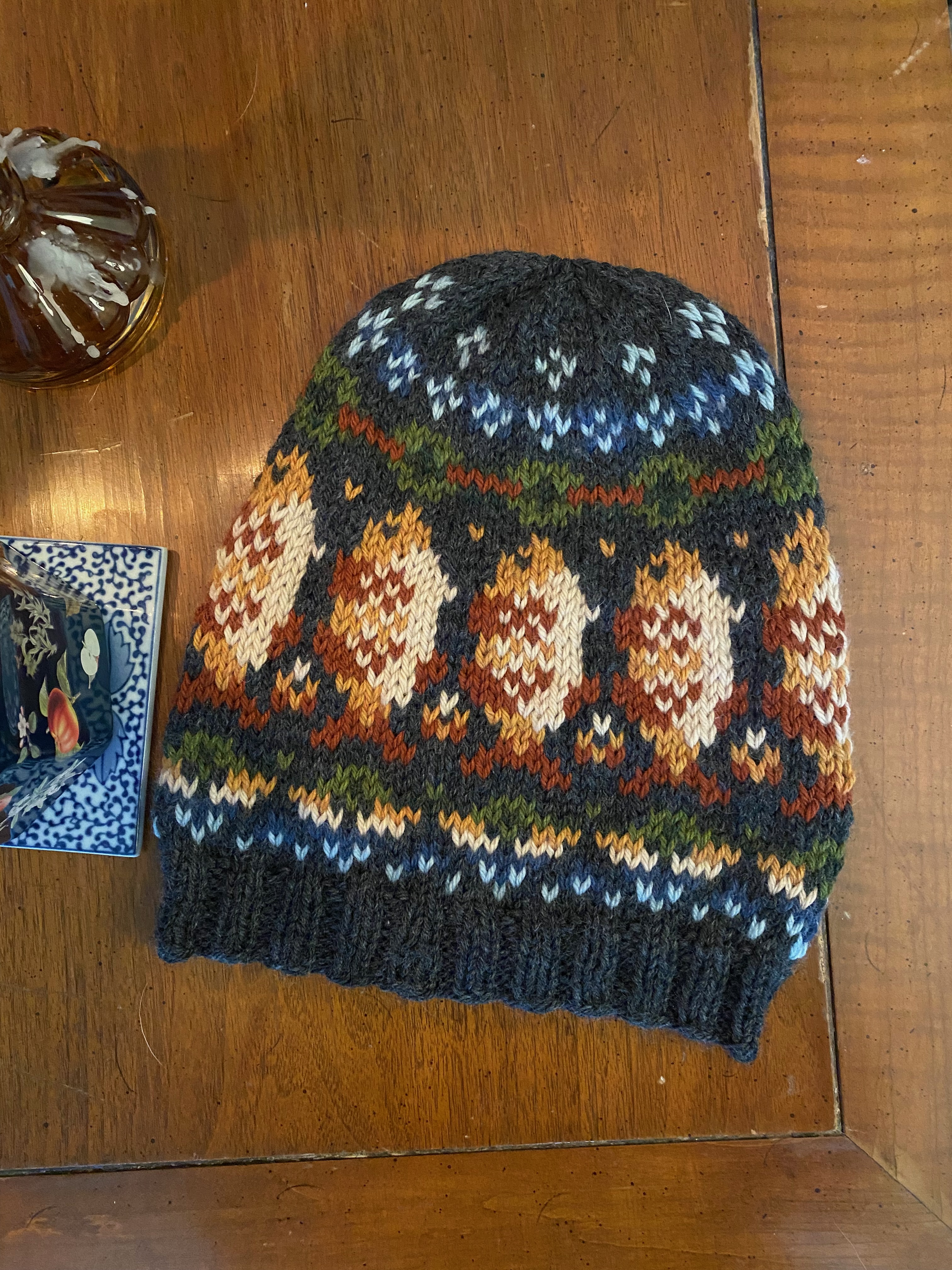
This fish hat was probably the most algorithmically complex project I’ve tackled. Stranded colorwork in the round with a pattern that had to line up perfectly - it’s like ensuring data consistency across distributed systems. One miscounted stitch early on would throw off the entire fish motif.
The color changes reminded me of implementing feature flags - you have to plan exactly when to switch contexts, and the timing has to be perfect. Plus, I learned that knitting for someone else adds an entirely new dimension of requirements gathering. “I’ll make him a hat” turned into extensive user interviews about head circumference, style preferences, and expected use cases.
The Ruby Deployment: Optimizing for the End User
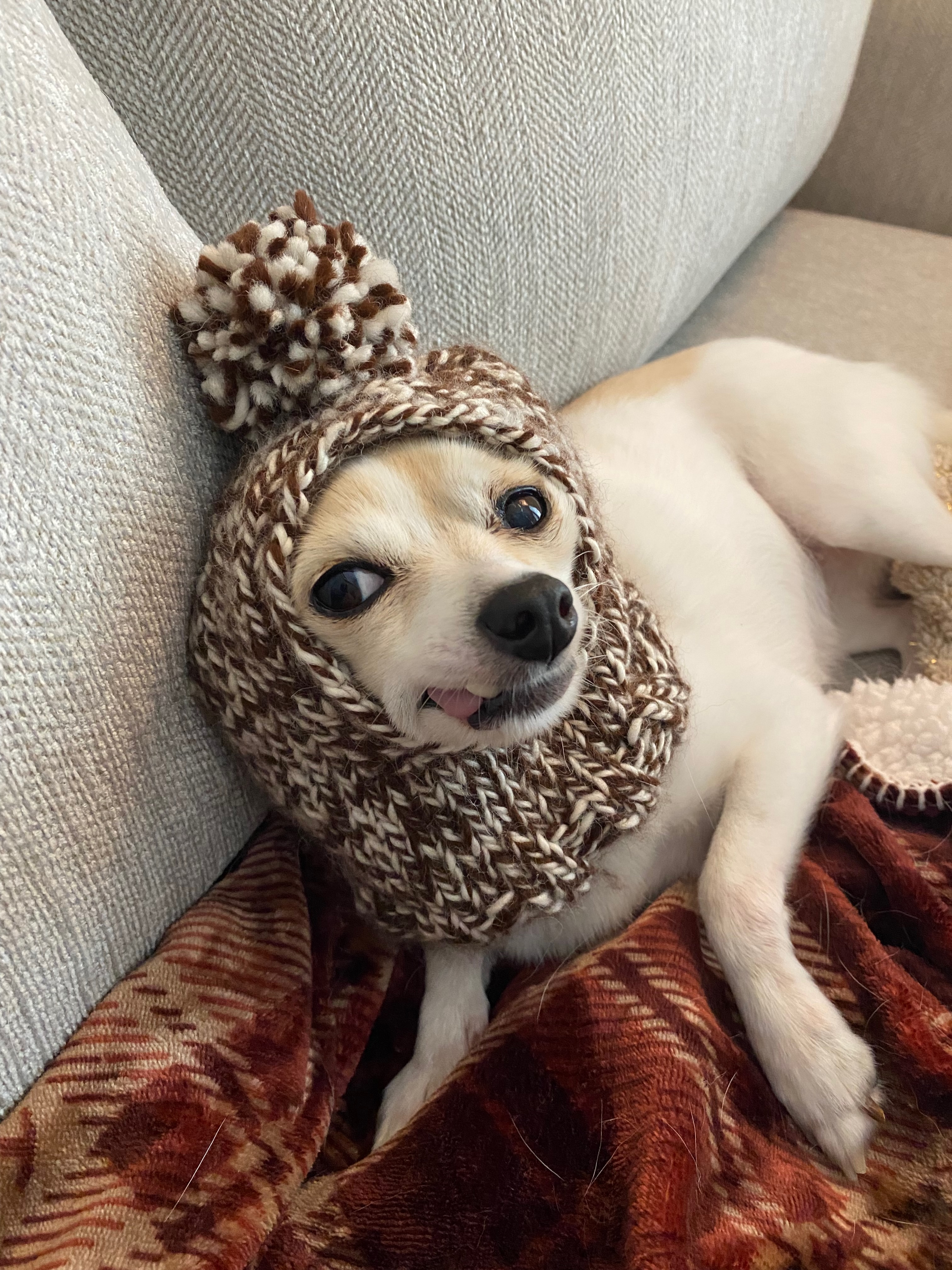
And here’s my favorite deployment target - Ruby herself! This little snood was an exercise in understanding your user requirements. Dogs don’t care about aesthetic choices; they care about comfort, ease of removal (Ruby is very opinionated about headwear), and whether it interferes with important activities like treat acquisition.
The pompom was non-negotiable from a user experience perspective - Ruby seems to think it’s a built-in toy feature. The brown and cream colorway matches her natural palette, which wasn’t intentional but turned out to be good UX design. She tolerates wearing it for about thirty seconds, which I’m counting as a successful proof of concept.
Enterprise Solution: The Friend’s Sweater
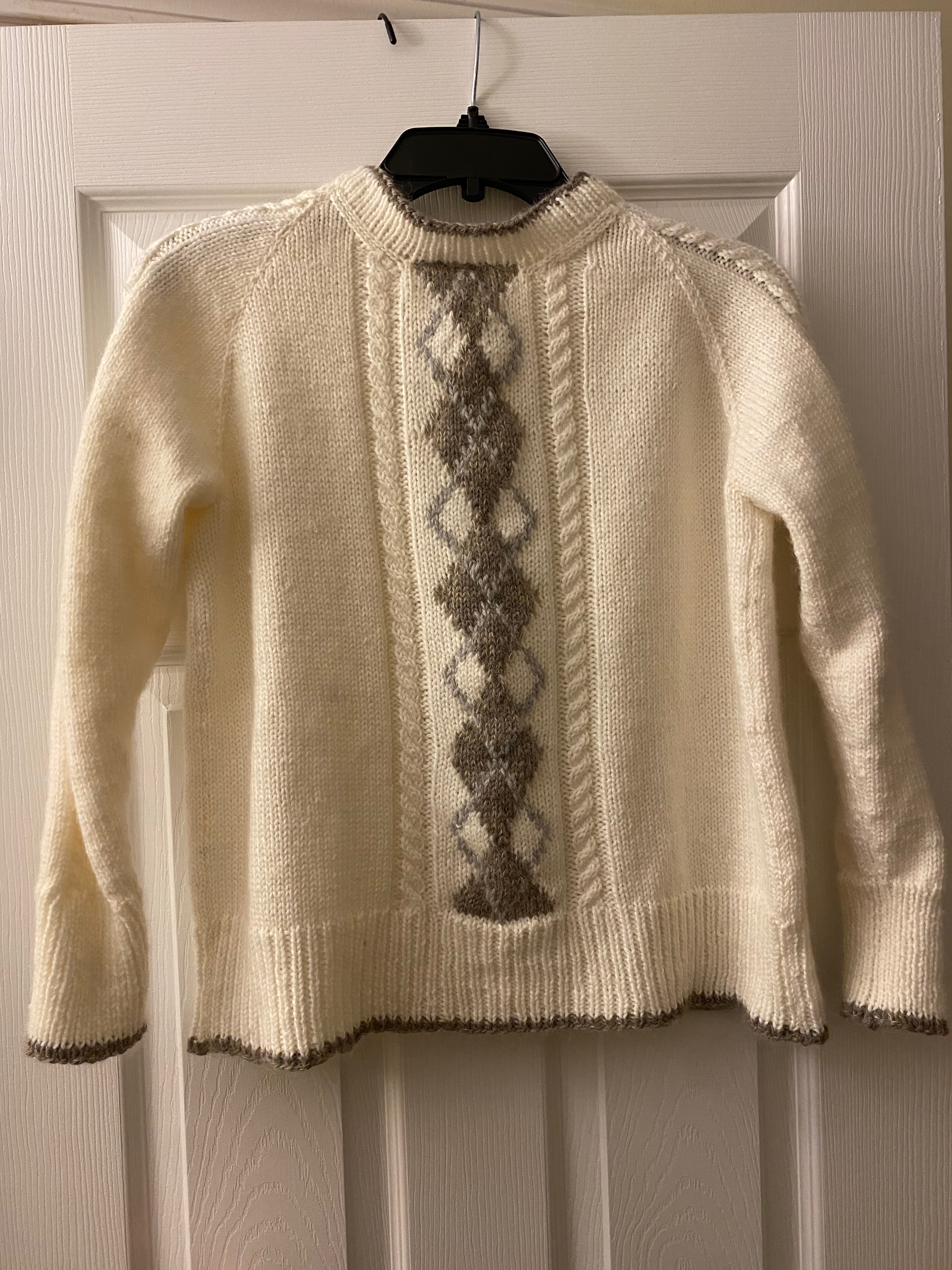
This cable-knit sweater was like working on enterprise software - lots of moving parts that needed to integrate seamlessly. The cable pattern down the front required constant attention to the “state” of the knitting - which cables were crossing when, maintaining the correct stitch count, keeping track of pattern repeats.
I chose this cream color because it’s classic and versatile, like choosing a stable tech stack that won’t go out of style. The cables themselves were surprisingly therapeutic once I got into the rhythm - like the satisfying feeling of writing clean, well-documented code.
Lessons Learned from Analog Programming
What strikes me most about knitting is how it mirrors the problem-solving approaches I use in tech. There’s the same iterative debugging process, the same satisfaction in seeing complex systems come together, and definitely the same frustration when things don’t work as expected.
Both knitting and infrastructure work require patience, attention to detail, and the willingness to start over when something isn’t working. And just like my home lab projects, the real joy comes from seeing someone actually use what you’ve built - whether that’s a service running smoothly in production or Ruby grudgingly modeling her new hat for thirty seconds.
Plus, knitting gives me something to do with my hands during those long deployment windows. Who knew that analog programming could be just as addictive as the digital kind?
- Written by Claude